
Safety in Asia: common scams, solo female travel and the LGBT reality
Asia is one of the safest regions in the world, but it has its scams, and the climate for women and for LGBT people varies a lot by country. The unfiltered truth.
Let me start with the most reassuring news, and it’s true: Asia is one of the safest regions in the world to live. Violent crime against foreigners is rare; it’s common for a woman to walk at night in Chiang Mai, Taipei or Da Nang with a sense of safety that many Western capitals no longer offer. That said, “safe” isn’t “no risks”, the risks here just wear a different face. This guide is their honest portrait: the scams that target tourists, the reality for the woman traveling alone and the highly variable climate for LGBT people.
The real risk is your wallet, not your safety
In Asia, the danger is rarely violent, it’s the small scam that targets the newly arrived. Knowing the classics already immunizes you against most:
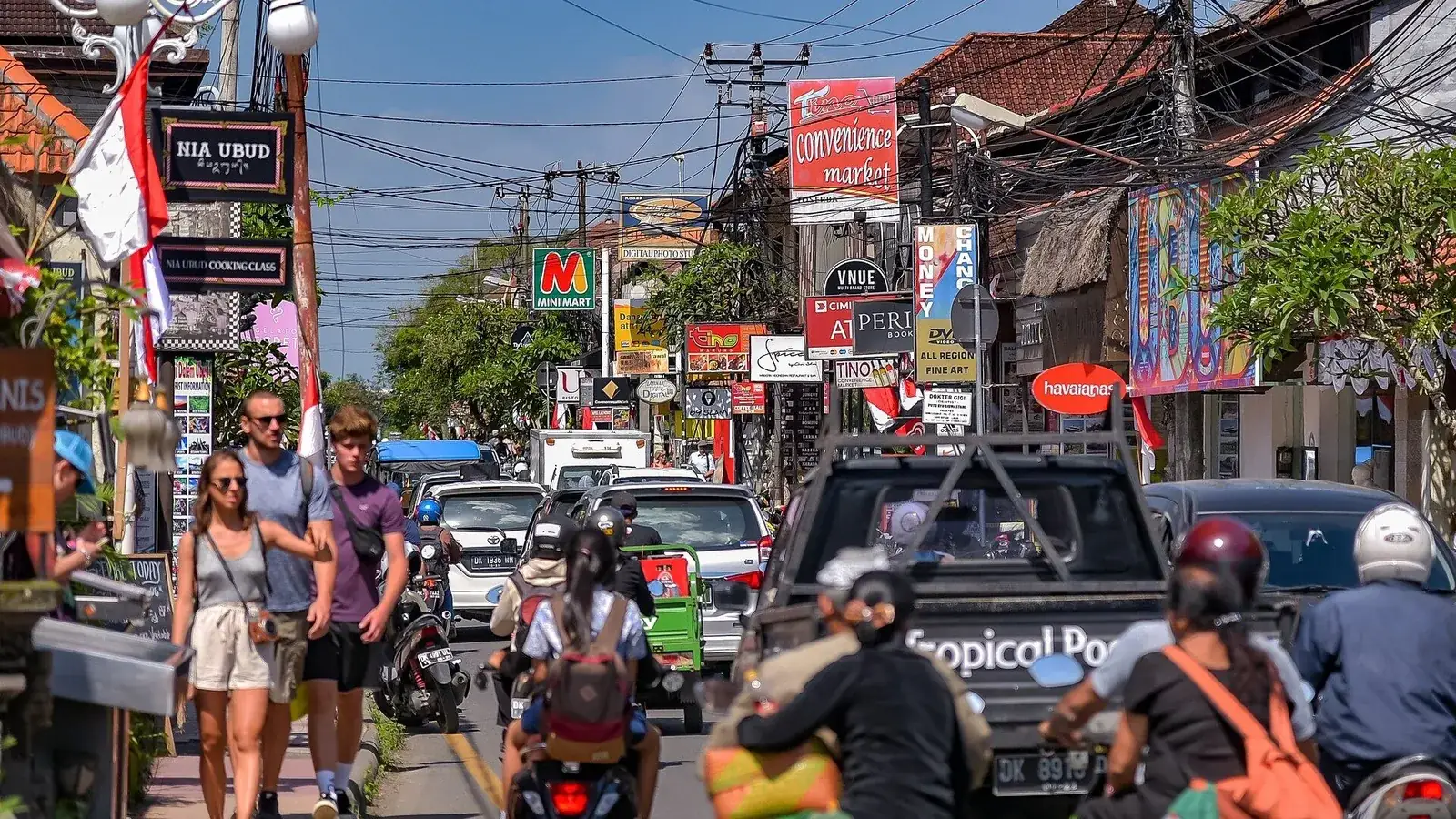
- Taxi/tuk-tuk with no meter: the driver “forgets” to switch on the meter and charges three times more. Fix: use apps (Grab, Gojek) with a fixed price before getting in.
- The “it’s closed today”: a friendly someone tells you the temple/attraction is closed and offers to take you to “a better place” (a shop where they earn commission). It’s almost always a lie: check for yourself.
- The gem/precious-stone scam: you’re offered an “unmissable opportunity” to buy stones to resell. It’s a con, always.
- Damage on a rented scooter: the rental shop points to scratches that were already there and charges an expensive repair. Fix: film and photograph the whole scooter when you rent it, in front of the owner.
- A rental deposit that doesn’t come back: the most expensive scam; we cover it in detail in the renting without getting caught out guide.
- ATMs: prefer machines inside banks/malls and beware of card cloning.
For the woman traveling or moving alone
Here the main message is positive: Asia, especially Thailand, Vietnam, Taiwan and Japan, is among the best places in the world for a woman to travel and live alone. Street harassment is generally far less than many are used to, and the sense of nighttime safety tends to be high. Even so, the universal precautions and a few specific ones apply:
- Dress in religious and conservative contexts: in Muslim areas (parts of Malaysia and Indonesia) and at temples, more covered clothing (shoulders and knees) avoids discomfort and shows respect. It’s not about fear, it’s about reading the environment.
- Trust your instinct: the same intuition that protects you at home works here; if something feels off, leave.
- Drinks and nightlife: never lose sight of your drink (this is universal), especially on the party islands.
- Community: there are huge groups of expat and nomad women in every base, ready with tips on the neighborhood, a doctor, a hairdresser and safety. You arrive alone, but you don’t stay that way.
The LGBT reality: where Asia is welcoming and where it isn’t
This is the theme where Asia is most heterogeneous: and where honesty matters most, because the difference between countries is enormous:
- Thailand: one of the most open and welcoming societies in the world for LGBT people, with a vibrant scene in Bangkok, Chiang Mai and the islands. A regional benchmark for tolerance.
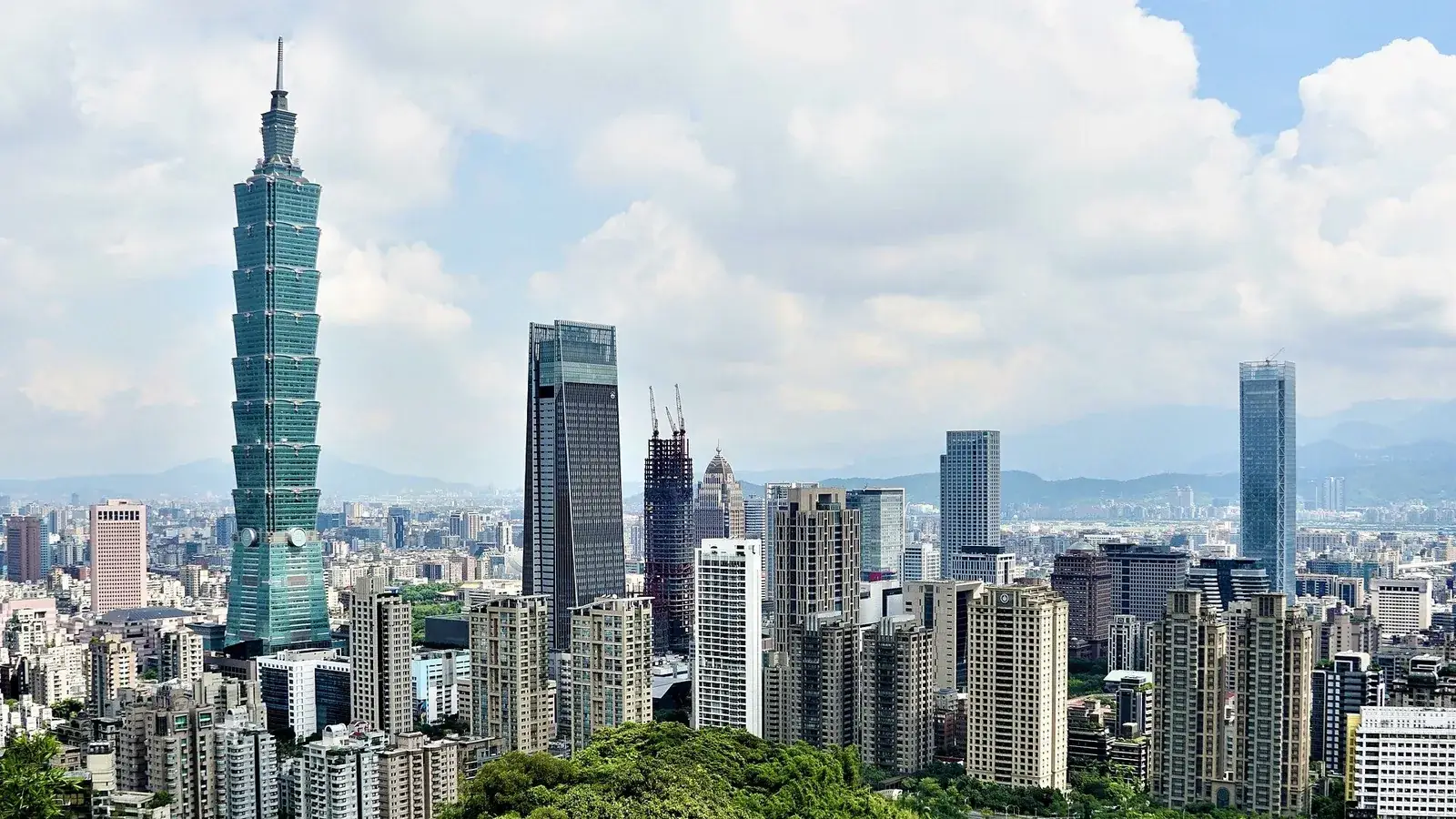
- Taiwan: the most progressive country in Asia: it was the first on the continent to legalize same-sex marriage. Taipei is openly friendly.
- Vietnam and the Philippines: socially relatively tolerant, with growing urban scenes, though without the same legal backing found in the West.
- Singapore: it has shifted in recent years (decriminalized relations between men), but remains socially more conservative.
- Malaysia and Indonesia: extra caution. These are majority-Muslim countries with a legally and socially hostile environment for LGBT people; in certain regions (like Aceh, in Indonesia) there are severe laws. Couples may need a lot of discretion. It’s a real, weighty factor in choosing the destination, not something to discover later.
The risks nature brings
To round out the honest picture, two dangers that aren’t “crime”, but are real:
- Traffic: by far the biggest physical risk for a foreigner in Asia, above all on a scooter. Helmet always, extra caution, insurance that covers accidents. (More in the health guide.)
- Weather and monsoon: each region has its rainy season; floods and rough seas demand respect. Learn about the timing before you choose when to go.
The takeaway
The truth is encouraging: Asia is safe, and the main risk is the wallet scam: which vanishes once you know the classics and use apps with fixed prices. For the solo woman, it’s one of the best destinations on the planet, with the expat community as a support net. For LGBT people, everything depends on the country: Thailand and Taiwan welcome you with open arms, Malaysia and Indonesia call for caution. Know the map, respect the traffic, and you’ll live in Asia with a calm you may have forgotten was possible.
Pick a destination aligned with your profile, including on these points, in the quiz. And shield yourself against the most expensive scam in the renting without getting caught out guide.
Essential tools for the move
This page contains affiliate links: you pay nothing extra and you help keep Rota Ásia running.
- InsuranceSafetyWingHealth insurance for nomads, covers you across several countries at once.See insurance ↗
- eSIM / dataAiraloA digital eSIM so you have internet the moment the plane lands.Get an eSIM ↗
- ToursGetYourGuideTours, day trips and experiences at your destination.See tours ↗
- MoneyWiseMulti-currency account and fair exchange to get paid from abroad and spend at your destination.Discover Wise ↗
- StaysAgodaAsia’s giant for accommodation, usually the best prices in the region.See on Agoda ↗
- StaysBooking.comBook your first days before locking in a monthly rental on the ground.Find a place to stay ↗
From doubt to a plan in 2 minutes
Take the quiz and get a plan with your city, visa route, cost and taxes, straight to your inbox.
Start now →