

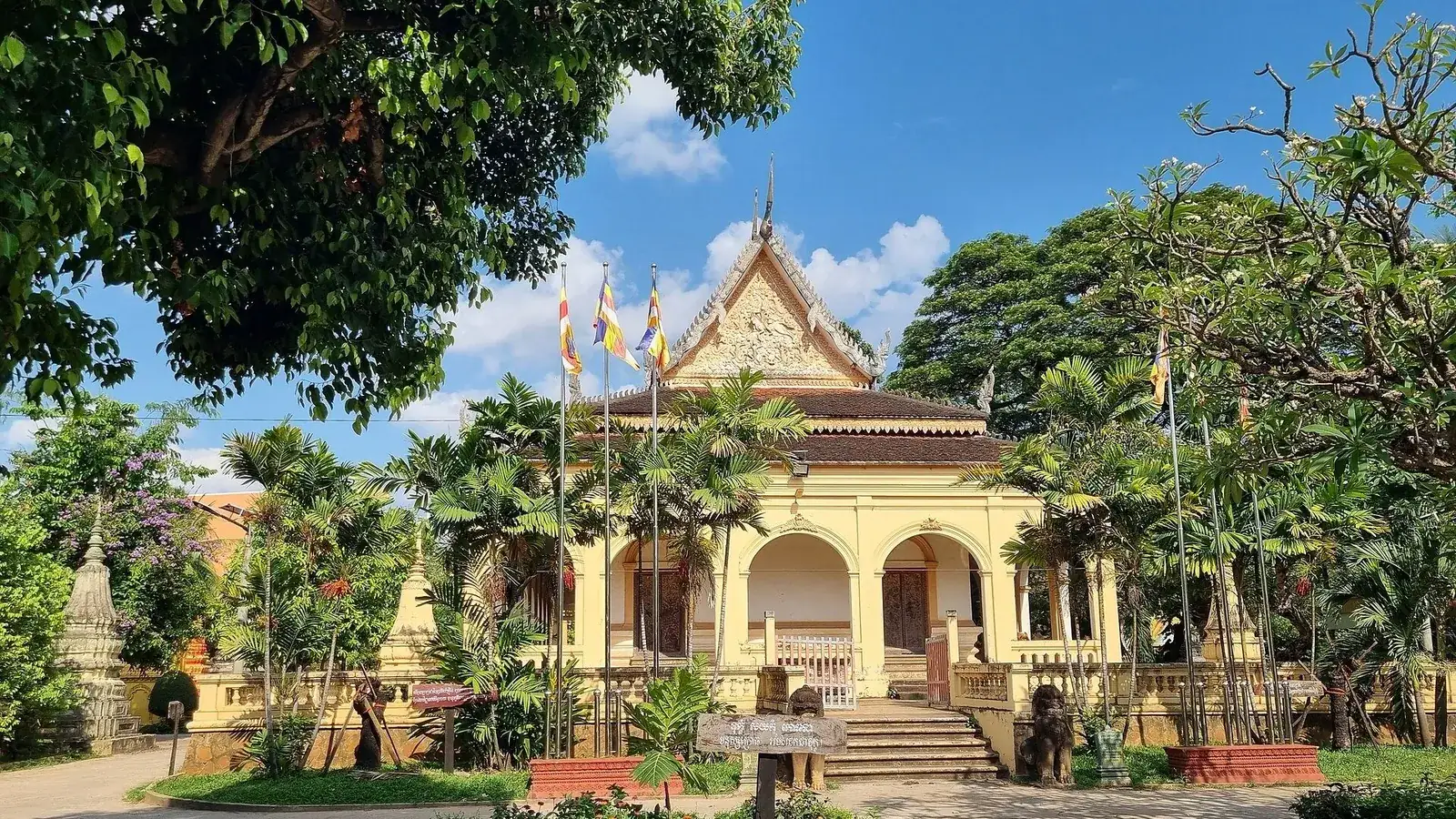
Living in Cambodia: Asia’s easiest visa, cost and cities (2026)
The complete guide: why Cambodia has the easiest residence in Asia, the dollar economy that removes currency risk, what it costs to live and what no one tells you about taxes.
Imagine a country where you enter on a simple visa, pay about 35 dollars, and can then renew it forever, no income proof, no sponsor, no bureaucracy. Where prices are already in US dollars, so the dollar you earn abroad suffers no exchange loss at all. Where life is cheap, the pace is easy and one of humanity’s great treasures, the temples of Angkor, is a few hours from home. That country is Cambodia, the secret of people who discovered the easiest residence in Asia.
Cambodia doesn’t have Malaysia’s first-world polish or Thailand’s postcard beaches. What it has is simplicity and freedom: the lowest bureaucratic friction on the continent for a foreigner to settle down.
While half the world struggles with income requirements and big deposits, in Cambodia you extend the business visa year after year, indefinitely, with virtually no questions.
Why Cambodia
- The easiest residence in Asia: the business visa (E) renews forever, with no income proof.
- A dollar economy: prices are in USD; zero currency risk if you earn in dollars.
- Low cost: among the friendliest in the region, especially away from tourist spots.
- Easy pace and kind people: one of Southeast Asia’s most welcoming cultures.
- Close to everything: Bangkok, Vietnam and the islands are a hop away; a great base for exploring.
Cambodia’s visas
Here’s the country’s big trump card. While others demand income, a deposit or sponsorship, Cambodia asks for almost nothing:
| Route | For whom | Duration | How it works |
|---|---|---|---|
| E visa (business) | Anyone who wants to stay long | renewable indefinitely | Enter on the E visa (~US$ 35) and extend with the EB extension (6 or 12 months), renewable forever, no income proof |
| T visa (tourist) | Passing through quickly | 30 days, +1 extension | After that you must leave the country |
| ER extension (retiree) | 55+ who don’t work | renewable | A variant of the E visa for retirees |
The path is almost absurdly simple: enter on the E visa, get the 1-year EB extension (done by any local agency for a modest fee) and that’s it, you live legally in the country and can renew every year, with no proof of a job, income or savings. That’s why Cambodia became the “back door” for people who want an Asian base without a headache.
Not sure whether Cambodia fits your moment? That’s exactly what the quiz sorts out in 2 minutes.
What it costs to live, the real budget
With prices in dollars and a low cost, Cambodia is predictable on the wallet. A realistic monthly budget for one person in Phnom Penh, living well:
| Item | Cost/month (USD) |
|---|---|
| Rent (modern studio/1-bed, many serviced) | 350 to 550 |
| Food (mixing local and Western) | 200 to 350 |
| Transport (tuk-tuk/apps + scooter) | 40 to 80 |
| Internet + phone | 20 to 40 |
| Coworking / cafés | 60 to 120 |
| Leisure, trips, extras | 150 to 300 |
| Total | ~US$ 900 to 1,300 |
Comparing destinations:
| City | Monthly spend | Profile |
|---|---|---|
| Phnom Penh | US$ 900 to 1,300 | Riverside capital, everything on hand, expat scene |
| Siem Reap | US$ 800 to 1,200 | Angkor, charming and cheap, calm pace |
| Kampot / Kep | US$ 700 to 1,100 | River and sea, ultra-quiet, alternative community |
Where to live
Phnom Penh: the capital, on the banks of the Mekong and Tonlé Sap rivers. It grew fast: new buildings, cafés, coworkings, restaurants of every kind and the country’s biggest expat community. It’s the most complete base, big enough to have everything, small enough not to crush you.
Siem Reap: the gateway to Angkor. Charming, green and cheap, with a small-town pace and a friendly international scene. Ideal for anyone who wants quiet, history and an even lower cost, living next to one of the greatest archaeological sites in the world.
Kampot and Kep: in the south, between river and sea. Ultra-quiet, surrounded by pepper plantations and nature, they’ve become a haven for people who want to truly slow down. A small, alternative community; more basic infrastructure.
The food, surprising and cheap
Less famous than Thai food, Khmer cuisine is a discovery: amok (steamed fish curry in coconut milk), lok lak (sautéed beef with a lime-and-pepper sauce), noodle soups for breakfast. The French colonial heritage left fresh baguettes and a good coffee culture. Eating well costs a few dollars, and Phnom Penh has a surprising international food scene for its size.
A typical day
Coffee and a baguette by the river, a morning of work at a coworking with air conditioning. Lok lak with rice for lunch, for three or four dollars. In the afternoon, a tuk-tuk (hailed by app) takes you to a new café, and on the weekend a cheap bus or short flight opens up Angkor, the coast or Bangkok. At night, a relaxed dinner with an international group of people who, like you, chose the simplest route. Light, cheap, no bureaucracy.
What no one tells you: taxes
Cambodia is tax-light for foreigners, with the usual caveats.
- Personal income tax focuses on Cambodian-source income. The income you earn abroad, working remotely, in practice usually isn’t taxed for individuals.
- Enforcement on individuals’ foreign income is historically very light: which in practice means little or no tax, but treat that as a de facto reality, not a legal guarantee.
And on the home side: until you file your formal tax exit, your home country still considers you a tax resident, and your income can be taxed there even while you live in Phnom Penh.
Getting there
There’s no direct flight to Cambodia from the Americas. You connect through a big hub into Phnom Penh (PNH) or Siem Reap (SAI):
- Via Doha (Qatar Airways) or Dubai (Emirates): the most frequent routes.
- Via Bangkok, Singapore or Kuala Lumpur: short, cheap flights link these hubs to Cambodia (Bangkok is very close, even overland).
First 30 days, the arrival plan
- Before you fly: eSIM (Airalo), nomad insurance, first nights in Phnom Penh booked, e-visa (type E) sorted.
- Week 1: local SIM (Cellcard/Smart), see neighborhoods in person, hire a trusted agency for the EB extension.
- Week 2: lock in the monthly rental (many apartments come serviced and with a pool), map out coworkings and clinics.
- Weeks 3 to 4: the 1-year extension underway, routine in place, first trip to Angkor or the coast.
The practical stuff from people who went
- Money: a dollar economy; huge convenience and zero currency risk. Carry dollar bills in good condition (torn ones are refused).
- Visa: the easiest in Asia; sort the EB extension with a trusted agency early on.
- Internet: decent in the cities (best in Phnom Penh); confirm beforehand if you depend on heavy video calls.
- Health: basic clinics; for serious cases, the closeness of Bangkok (with top hospitals) is an asset. Insurance is essential.
- Transport: a tuk-tuk by app (PassApp/Grab) is cheap and covers everything in the cities.
Culture and etiquette in 30 seconds
A majority Theravada Buddhist country, gentle and slow-paced. Greet with the sampeah (palms together), dress modestly at temples (shoulders and knees covered, especially at Angkor), never touch someone’s head or point your feet at people or Buddha images, and respect the monks. “Not losing face” and staying calm count for a lot, kindness opens every door.
Pros and cons, unfiltered
For: the easiest residence in Asia · a dollar economy (no currency risk) · low cost · gentle people and an easy pace · Angkor and closeness to Bangkok.
Against: more basic infrastructure and healthcare than its neighbors · a developing country (power cuts, uneven roads) · good internet in the cities, limited outside · the tax lightness is “de facto”, not a solid legal exemption · less “polished” than Malaysia or Thailand.
Is it worth it?
For anyone who wants the least possible bureaucracy to settle in Asia, a cheap dollar-based base and an easy pace of life, Cambodia is unique, no other country offers residence this easy. In exchange, you give up some of the comfort and infrastructure of its neighbors. For many nomads, that’s exactly the trade that makes sense.
City guide: get to know Phnom Penh from the inside, neighborhoods, what to do, food and where to stay.
Ready for the next step? The Rota Ásia quiz matches your profile, budget and lifestyle and hands you a tailored plan: your city, the ideal visa route, the cost and the taxes, straight to your inbox.
Frequently asked questions
Why does Cambodia have the easiest residence in Asia?
Because the business (E) visa renews indefinitely, year after year, with the EB extension, no income proof, no sponsor, no bureaucracy. It’s the lowest friction on the continent for a foreigner to settle down.
Does Cambodia tax my foreign income?
In practice, income you earn abroad usually isn’t taxed for individuals, and enforcement on this is historically very light. But “not enforced” isn’t the same as “exempt by law”, treat it as a de facto reality, not a legal guarantee.
Is it true Cambodia uses the US dollar?
Yes. Prices are in US dollars (the riel serves almost only as change). If you earn in dollars, it’s a huge convenience and zero currency risk. Carry bills in good condition, torn ones are usually refused.
How much does it cost to live in Phnom Penh?
You live well on US$ 900 to 1,300 a month: an apartment with a pool in BKK1 costs US$ 350-550, and eating local costs a few dollars.
Essential tools for the move
This page contains affiliate links: you pay nothing extra and you help keep Rota Ásia running.
- InsuranceSafetyWingHealth insurance for nomads, covers you across several countries at once.See insurance ↗
- eSIM / dataAiraloA digital eSIM so you have internet the moment the plane lands.Get an eSIM ↗
- ToursGetYourGuideTours, day trips and experiences at your destination.See tours ↗
- MoneyWiseMulti-currency account and fair exchange to get paid from abroad and spend at your destination.Discover Wise ↗
- StaysAgodaAsia’s giant for accommodation, usually the best prices in the region.See on Agoda ↗
- StaysBooking.comBook your first days before locking in a monthly rental on the ground.Find a place to stay ↗
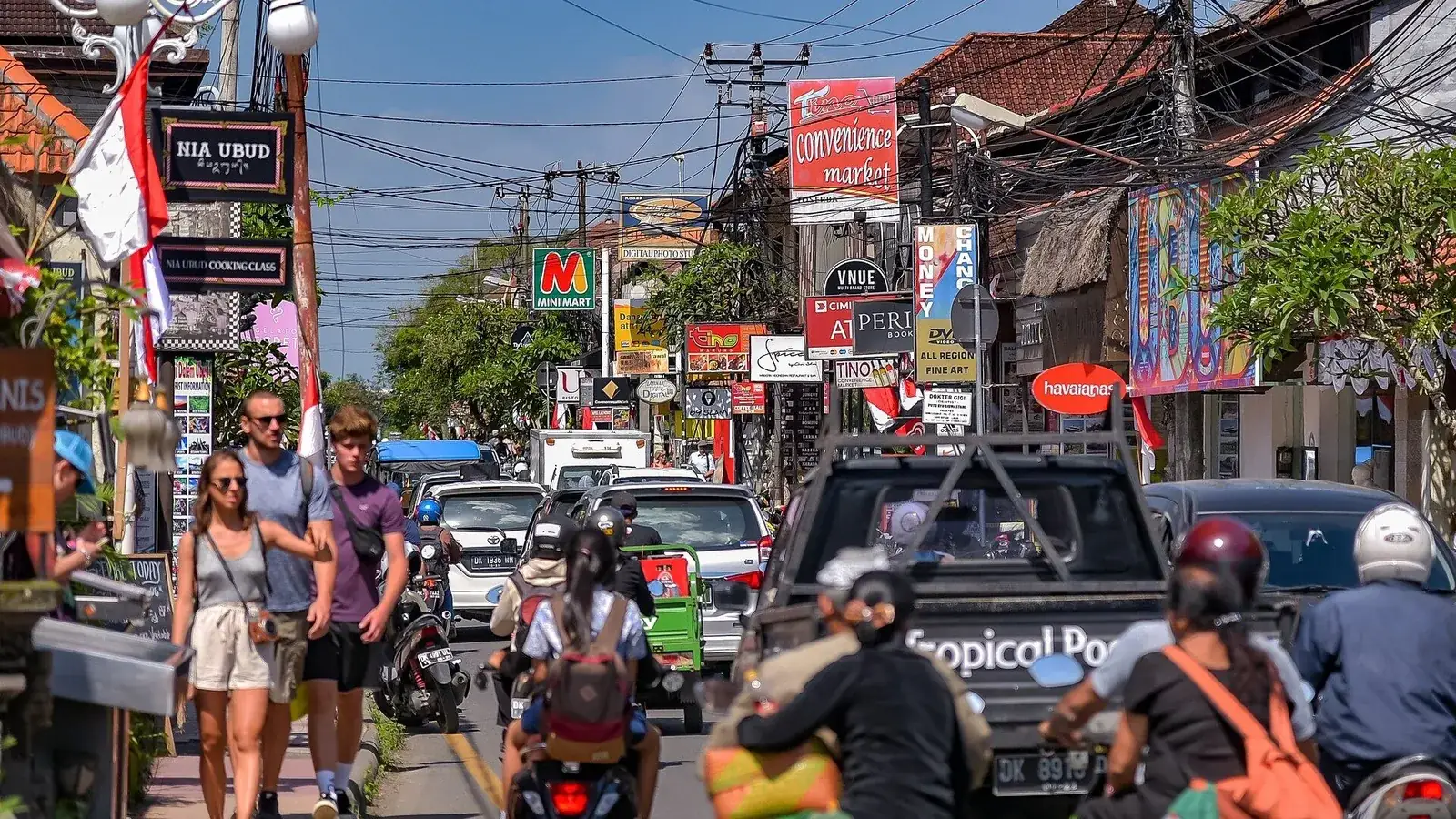
Find your city in Asia
Stop guessing. Answer for 2 minutes and get a plan with your city, visa route, cost and taxes, straight to your inbox.
Start now →