
Living in Japan: visas, cost of living and cities (2026)
The complete guide: the new digital-nomad visa, what it costs to live in Tokyo or cheaper Fukuoka, and the truth about living there permanently and taxes.
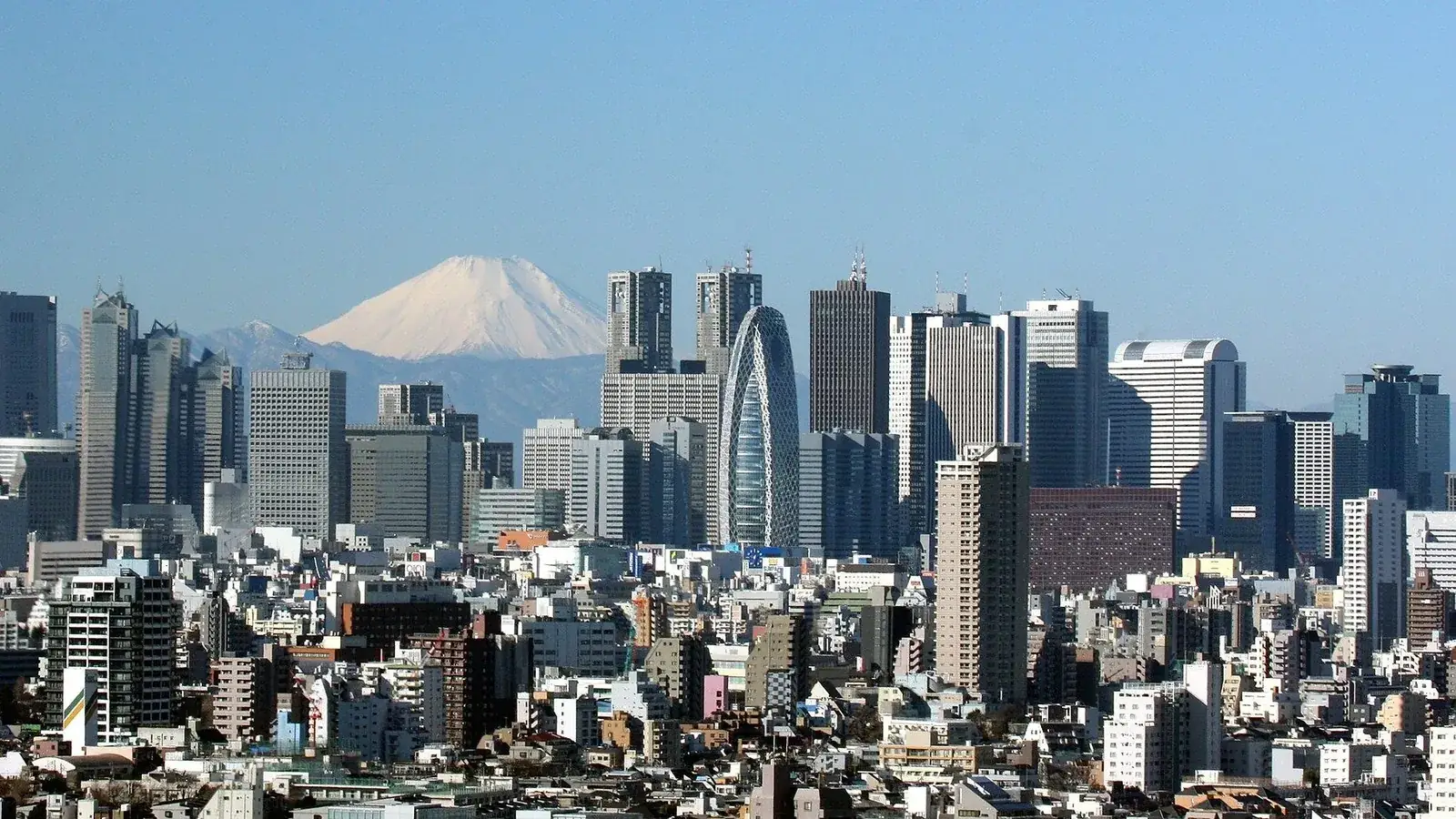
Let me walk you through Tokyo on any given night. You step out of Shinjuku station and the world explodes: neon panels the size of buildings, a sea of people moving in silence and an order that disarms anyone coming from chaos. You duck into an Omoide Yokocho alley, sit at a six-seat counter, and an old man grills chicken skewers while the train passes three meters over your head. No one shoves you, nothing is dirty, everything works. Welcome to the country that became shorthand for “the future that also respects the past”.
Before you fall too hard, an honest guide’s note: Japan is wonderful to live in, but hard to settle in: and expensive. I’ll show you the best of it and, frankly, where the stumbling blocks are.
In Japan, the magic isn’t only in the temples and the neon, it’s in the fact that everything simply works, with a delicacy you carry into your life.
Why Japan
- Absolute safety: one of the safest countries in the world; you walk easy at any hour.
- Food from another planet: from sushi to ramen to the konbini (the convenience stores are a miracle).
- Order and efficiency: trains to the exact second, spotless streets, impeccable service.
- Living culture: temples, festivals, tradition and ultramodernity side by side.
- A new nomad visa: Japan finally opened a door for remote work.
Japan’s visas
Here you need to be realistic: Japan isn’t easy for a long stay, and the options are specific.
| Visa | For whom | Duration | What it requires |
|---|---|---|---|
| Digital Nomad | Remote with high foreign income | 6 months | High income (~US$ 68k/yr) and an eligible nationality |
| Work (several categories) | Job with a Japanese company | 1 to 5 years | Employer sponsorship |
| Highly Skilled Professional | Talent by points | up to 5 years | A points system (income, education, age) |
| Student | Studying Japanese | 1 to 2 years | Enrollment at a language school |
| Tourism | Testing the country | up to 90 days (many nationalities) | Valid passport |
The nomad visa is new, but notice: it’s only 6 months and the income requirement is high, it’s great for a season, not for becoming residence. Really living in Japan long term almost always runs through work, study or the highly skilled visa.
Not sure whether Japan makes sense for your moment? That’s exactly what the quiz sorts out in 2 minutes.
What it costs to live, the real budget
I’ll be straight: Japan is expensive by Asian standards, but less than its reputation suggests, and there are far cheaper cities. A realistic monthly budget for one person in Tokyo:
| Item | Cost/month (USD) |
|---|---|
| Rent (small studio in the city) | 800 to 1,300 |
| Food (mixing konbini, cheap restaurants and cooking) | 350 to 550 |
| Transport (metro/train) | 80 to 130 |
| Internet + phone | 40 to 60 |
| Coworking / cafés | 120 to 200 |
| Leisure, extras | 250 to 450 |
| Total | ~US$ 1,800 to 2,500 |
Comparing cities:
| City | Monthly spend | Profile |
|---|---|---|
| Tokyo | US$ 1,800 to 2,500 | The absolute metropolis, everything, priciest |
| Osaka | US$ 1,500 to 2,100 | Food, energy, more laid-back |
| Kyoto | US$ 1,500 to 2,000 | Temples, tradition, beauty |
| Fukuoka | US$ 1,400 to 1,900 | The nomad darling: cheap, beach, ramen |
Where to live, walking you through the cities
Tokyo: the biggest metropolis on the planet, and yet organized. Each district is a city: Shibuya and Shinjuku (the neon and the buzz), Shimokitazawa (hip, thrift shops and cafés), Nakameguro (elegant, along the cherry-blossom river). Expensive, intense, addictive, for people who want the heart of Japan.
Osaka: “Japan’s kitchen”, warmer and funnier than Tokyo. People strike up conversations, food is the national sport and the cost is kinder. If Tokyo is the brain, Osaka is the stomach and the heart.
Kyoto: a thousand temples, geishas in wooden alleys, moss gardens. Japan’s traditional soul. Calmer; ideal for anyone who wants beauty and culture day to day.
Fukuoka: in the south, the city that draws the most nomads: a beach within the city, the country’s best tonkotsu ramen, an airport right by the center and a cost well below Tokyo. The easiest, lightest “first Japan”.
The food, a universe of its own
Here you don’t “eat to live”, you live to eat. The counter sushi, the ramen of each region (Fukuoka’s tonkotsu is legendary), the izakaya (the Japanese pub, of skewers and cold beer), Osaka’s okonomiyaki, the konbini (at the convenience stores you eat surprisingly well for little). Eating cheap and delicious is entirely possible, it’s the rest that’s expensive.
A perfect day
It starts with a coffee and a konbini onigiri on the way to the coworking (fiber that flies). For lunch, a generous teishoku (set meal) for a few dollars. In the afternoon, a stroll through a park or a temple hidden among the buildings. At dusk, the izakaya ritual: skewers over coals, beer, laughter, and then the punctual train takes you home, through a city that at two in the morning is still safe and clean. It’s that mix of efficiency and charm that makes Japan stick.
What no one tells you: taxes
No sugar-coating: Japan is not a tax haven.
- You become a tax resident by establishing residence and spending most of the year in the country.
- Japan taxes residents’ worldwide income, on progressive brackets that, together with local tax, reach high levels.
- For short stays (like the 6-month nomad visa), the logic changes, but that’s a consequence of the term, not an exemption.
And on the home side: until you file your formal tax exit, your home country still considers you a tax resident.
Getting there
There’s no direct flight to Japan from the Americas. You connect through a big hub into Tokyo (HND/NRT):
- Via Doha (Qatar Airways) or Dubai (Emirates): the most frequent routes.
- Via the United States (with a transit) or Europe/Istanbul: common alternatives.
- Inside Japan, the Shinkansen (bullet train) links everything with pinpoint precision.
First 30 days, the arrival plan
- Before you fly: visa underway, eSIM (Airalo), insurance, first nights booked.
- Week 1: IC card (Suica/Pasmo) for transport, local SIM, get to know the neighborhoods on foot.
- Week 2: secure housing (share house/monthly apart at first), open an account if the visa allows.
- Weeks 3 to 4: routine in place, first Shinkansen trip (Kyoto/Osaka from Tokyo).
The practical stuff from people who went
- Language: Japanese is the biggest barrier; English is limited. Translation apps (and a bit of effort) work wonders.
- Money: still a lot of cash use; carry an international card and keep yen in your wallet.
- Health: excellent; with a residence visa you join the national health insurance.
- Transport: perfect trains and metros; forget a car in the big cities.
- Bureaucracy: takes time and patience (residence registration, bank). Go slow.
Culture and etiquette in 30 seconds
Japan runs on respect and consideration for others. Speak quietly on transport, don’t eat while walking on the street, form queues, and never tip (it isn’t customary and can offend). Give a slight bow when greeting, take your shoes off entering homes and some restaurants, and don’t stick your chopsticks upright in the rice. Quiet, punctuality and cleanliness are taken seriously, and that’s what makes everything so pleasant.
Pros and cons, unfiltered
For: absolute safety · exceptional food (cheap too) · order and efficiency on another level · a very rich culture · a new nomad visa.
Against: expensive by Asian standards · the nomad visa is only 6 months and long-term residence is hard · language is a real barrier · worldwide income taxed for residents · slow bureaucracy.
Is it worth it?
As a life experience and premium season, Japan is unforgettable, safety, food and charm few places offer. As a “forever home”, it runs into the cost, the visa and the tax. Knowing that, few destinations mark the people who pass through as much.
Ready for the next step? The Rota Ásia quiz matches your profile, budget and lifestyle and hands you a tailored plan: your city, the ideal visa route, the cost and the taxes, straight to your inbox.
Frequently asked questions
Does Japan have a digital-nomad visa?
Yes, but it lasts only 6 months and requires high income (~US$ 68k/yr) and an eligible nationality. It’s great for a season, not for becoming residence. Really living there long term almost always runs through work, study or the highly skilled visa.
How much does it cost to live in Japan?
It’s expensive by Asian standards, but there are far cheaper cities. Tokyo runs US$ 1,800 to 2,500 a month; Fukuoka, the nomad darling, US$ 1,400 to 1,900.
Does Japan tax my foreign income?
Yes, for residents. Japan taxes worldwide income on progressive brackets that, together with local tax, reach high levels. It isn’t a tax haven.
Essential tools for the move
This page contains affiliate links: you pay nothing extra and you help keep Rota Ásia running.
- InsuranceSafetyWingHealth insurance for nomads, covers you across several countries at once.See insurance ↗
- eSIM / dataAiraloA digital eSIM so you have internet the moment the plane lands.Get an eSIM ↗
- ToursGetYourGuideTours, day trips and experiences at your destination.See tours ↗
- MoneyWiseMulti-currency account and fair exchange to get paid from abroad and spend at your destination.Discover Wise ↗
- StaysAgodaAsia’s giant for accommodation, usually the best prices in the region.See on Agoda ↗
- StaysBooking.comBook your first days before locking in a monthly rental on the ground.Find a place to stay ↗
Find your city in Asia
Stop guessing. Answer for 2 minutes and get a plan with your city, visa route, cost and taxes, straight to your inbox.
Start now →